
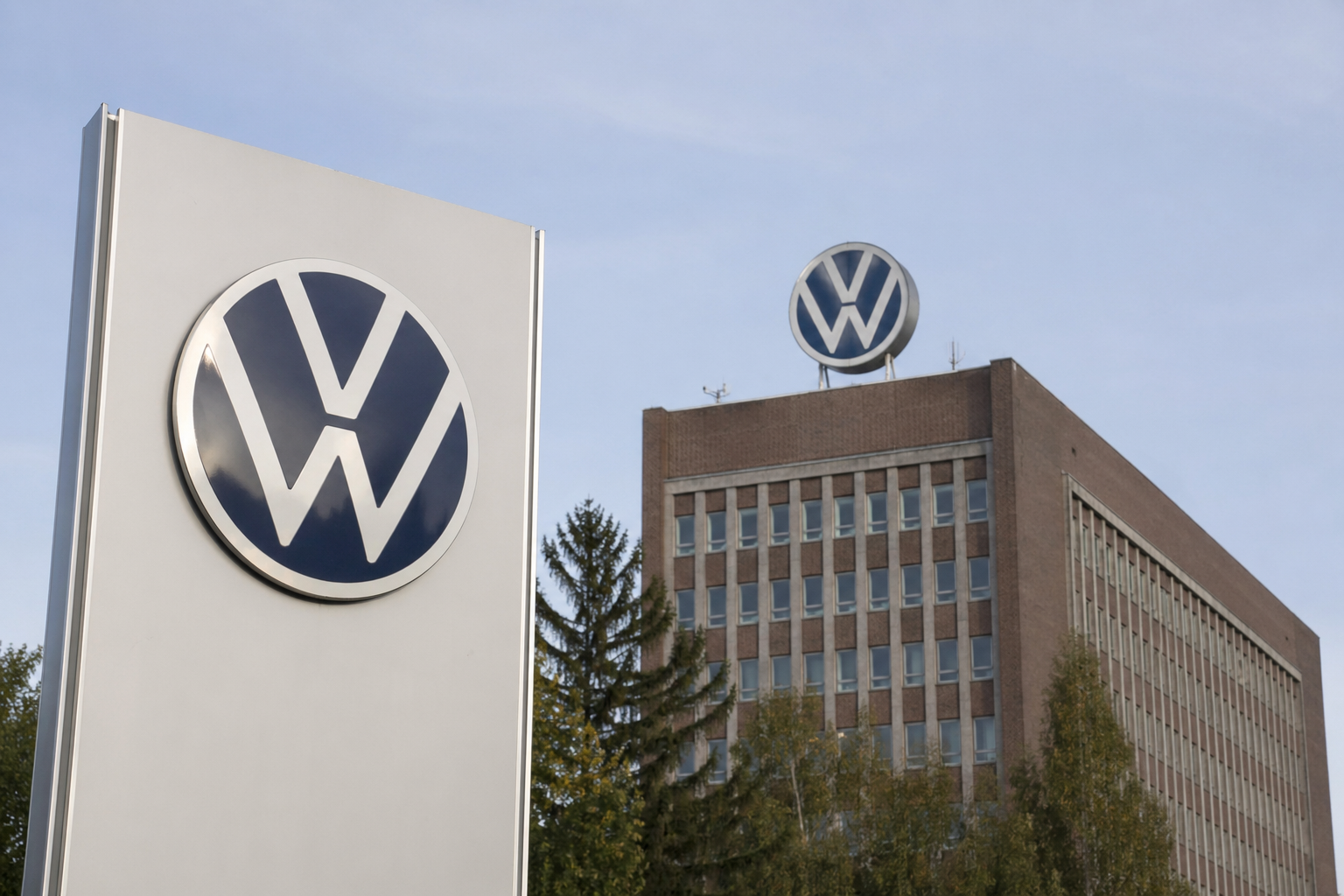
Volkswagen reported a sharp decline in first-quarter earnings, as tariff pressures, geopolitical tensions and rising competition impacted performance.
Europe’s largest carmaker posted an operating profit of 2.5 billion euros ($2.9 billion) for the first three months of the year.
This marked a 14% drop compared with the same period last year.
The figure also missed analyst expectations.
Revenue also came in below expectations.
Volkswagen reported quarterly revenue of 75.66 billion euros, down 2.5% year-on-year.
CEO flags growing global challenges
Volkswagen CEO Oliver Blume acknowledged the difficult operating environment.
“Wars, geopolitical tensions, trade barriers, stricter regulations, and intense competition are creating headwinds. In this challenging environment, we have managed to make tangible progress,” Blume said in a statement.
The company continues to face mounting pressure from Chinese carmakers, particularly in key global markets.
Weak demand in both China and the United States has further weighed on results.
Blume had earlier warned that geopolitical developments, including tensions in the Middle East, could affect demand for premium brands such as Porsche and Audi.
Deliveries decline sharply in key markets
Volkswagen also reported a decline in global vehicle deliveries at the start of 2026.
Total deliveries fell 4% year-on-year in the first quarter, reflecting broader industry challenges.
The decline was most severe in China and the United States.
Deliveries in China dropped 15% during the quarter, highlighting continued weakness in the world’s largest automotive market.
In the United States, deliveries fell even more sharply, declining 20.5% in the first three months of the year.
The company attributed this drop to steep tariffs and regulatory changes that have dampened demand, particularly for electric vehicles.
These declines in two of Volkswagen’s most important markets significantly offset performance in other regions.
Cost-cutting measures and outlook
In response to ongoing challenges, Volkswagen is implementing cost-cutting measures across the group.
The company plans to reduce around 50,000 jobs in Germany by 2030.
Blume has pledged further belt-tightening as the company absorbs billions in tariff-related costs while navigating weak global demand.
Despite near-term pressures, Volkswagen has outlined its profitability targets.
The company expects an operating return on sales of between 4% and 5.5% in 2026.
This compares with 2.8% in 2025.
The automaker also continues to push ahead with a broader product strategy aimed at improving competitiveness.
Shares of Volkswagen have remained under pressure
The stock was down more than 17% year-to-date as of Wednesday’s close, reflecting investor concerns over slowing demand and rising competition.
Overall, the results underscore the challenges facing global automakers.
Trade uncertainties, regulatory pressures and shifting demand trends continue to weigh on performance, particularly in key markets like China and the United States.
The post Volkswagen Q1 profit falls 14% amid tariffs, China slowdown appeared first on Invezz
